
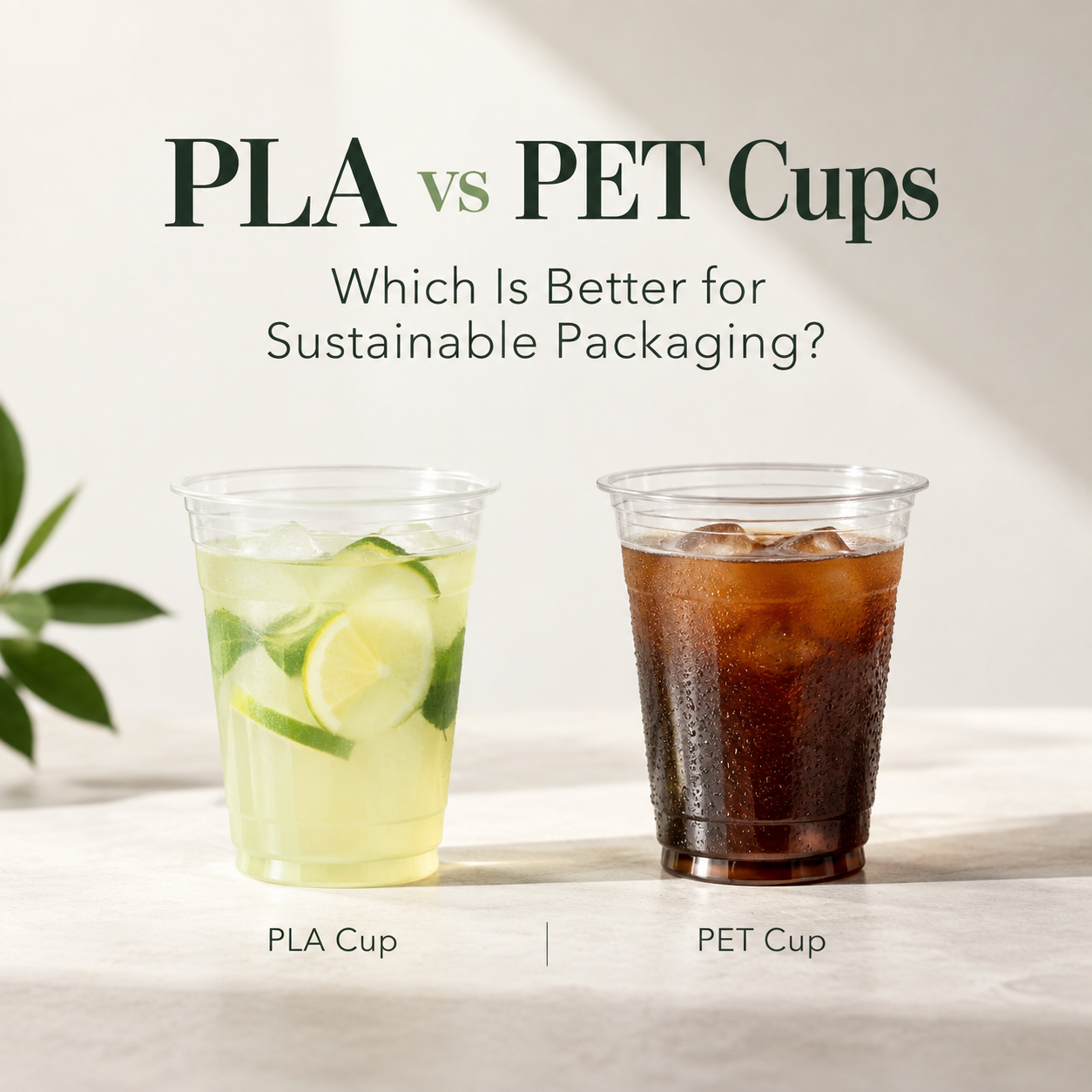
Background
I’ve been in this disposable tableware sourcing space for 7 years, and I still see buyers get stuck picking between PLA and PET cups every single week. A lot of them just grab whatever the last supplier pushed, without checking if the material actually works for their local waste setup. It’s not some fancy “sustainability trend” talk — last year, three of my regular European clients got hit with EU SUP Directive 2019/904 fines because they bought cups labeled “eco-friendly” that didn’t meet the actual compost rules. That’s real money on the line, not just marketing copy.
Core Analysis
Let’s cut the jargon. PLA cups are made from fermented corn or sugarcane starch, not oil. They break down only in proper industrial compost sites, not your backyard bin. PET cups are the clear plastic ones everyone’s been using for decades, made from petroleum resin, and they only get a second life if someone actually sorts them correctly for recycling.
Data and Industry Standards
I pulled these numbers from our 2025 factory production logs and third-party lab reports, not some generic market report:
- Our 12oz standard PLA cup has a measured carbon footprint of 3.1kg CO₂e per 1000 units, while the same size PET cup hits 5.6kg CO₂e
- PLA cups we produce hold up fine for iced coffee, bubble tea and cold drinks up to 48°C, but they will warp if you pour 60°C hot tea straight in
- All our PLA cups pass EN 13432 for EU markets and BPI certification for North America, which means 91% biodegradation in 172 days under industrial compost conditions
- Local waste data from our North American distribution partners shows only 27% of collected PET cups actually get reprocessed into new packaging, the rest go to landfill or export
| Real-World Performance | Our Standard PLA Cups | Standard PET Cups |
| Raw Material Source | Non-GMO corn starch | Virgin petroleum resin |
| Industrial Compost Breakdown | 172 days (certified) | Impossible |
| SUP Directive Compliance | Fully approved | Restricted for single-use cold beverages |
Procurement Advice From Years of Sourcing
If you’re working with a compostable food containers manufacturer for the first time, don’t jump to the biggest order first.
If you supply cafes, summer festivals or college campuses that already run industrial compost pickup programs, PLA cups are the clear call. Your clients won’t get fined, and their customers actually see the sustainability effort.
If you’re working with small towns where curbside compost doesn’t exist, don’t waste money on PLA. Go for 30%+ recycled PET cups, and pair them with a local cup take-back scheme. That’s way more sustainable than dumping PLA in a landfill.
Always ask your supplier for full certification copies before you pay. I’ve seen too many buyers get scammed with “paper copies” of BPI that aren’t registered in the official database.
FAQ
- Can I wash and reuse PLA cups a few times to cut waste?
No. PLA cups are designed for single cold beverage use only. Re-washing scratches the surface, weakens the material, and can leave unseen bacteria that doesn’t meet food safety rules. - I run a wholesale food packaging business, can I mix PLA cups into my existing PET recycling stock to save space?
Absolutely not. - How do I know the PLA cups I’m buying aren’t greenwashing?
Ask your supplier for the full third-party lab test report, not just a cover page of the certificate.
Why Hydebiopack
We’re not just another eco friendly food packaging supplier that ships generic stock. We’ve been making custom disposable food packaging for 9 years, and we know exactly what documentation your team needs to pass local audits. Our PLA cups come with full, verifiable BPI and EN 13432 paperwork right in every shipment, no extra chasing required.
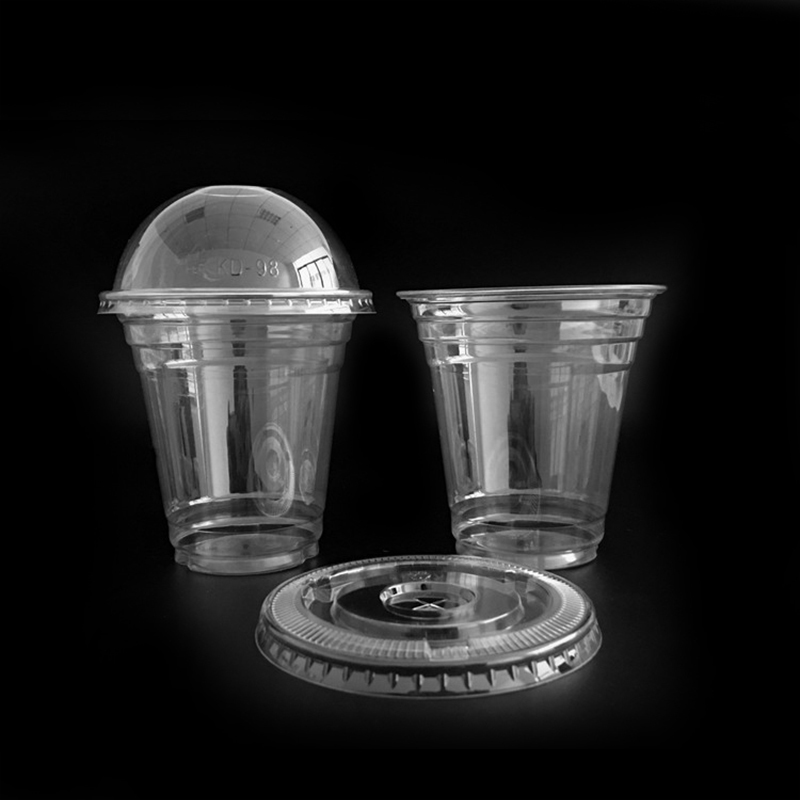
Our wholesale food packaging program lets you pick custom sizes, custom print, and matched compostable lids and straws, all with flexible MOQs for B2B buyers. We’ve adjusted production runs for festival operators, national coffee chains, and regional foodservice distributors, no one-size-fits-all orders.
Conclusion
There’s no universal “better” between PLA and PET cups. The right pick depends entirely on where your clients are, what drinks they serve, and what local waste infrastructure actually supports. Stop chasing generic “100% eco” marketing claims, pick the material that actually works for your supply chain, and you’ll avoid fines, cut real carbon footprint, and keep your clients happy.
If you need sample PLA cups, full certification packs, or a custom quote for your next wholesale order, reach out directly through Hydebiopack.com, our packaging team will reply within 24 hours.