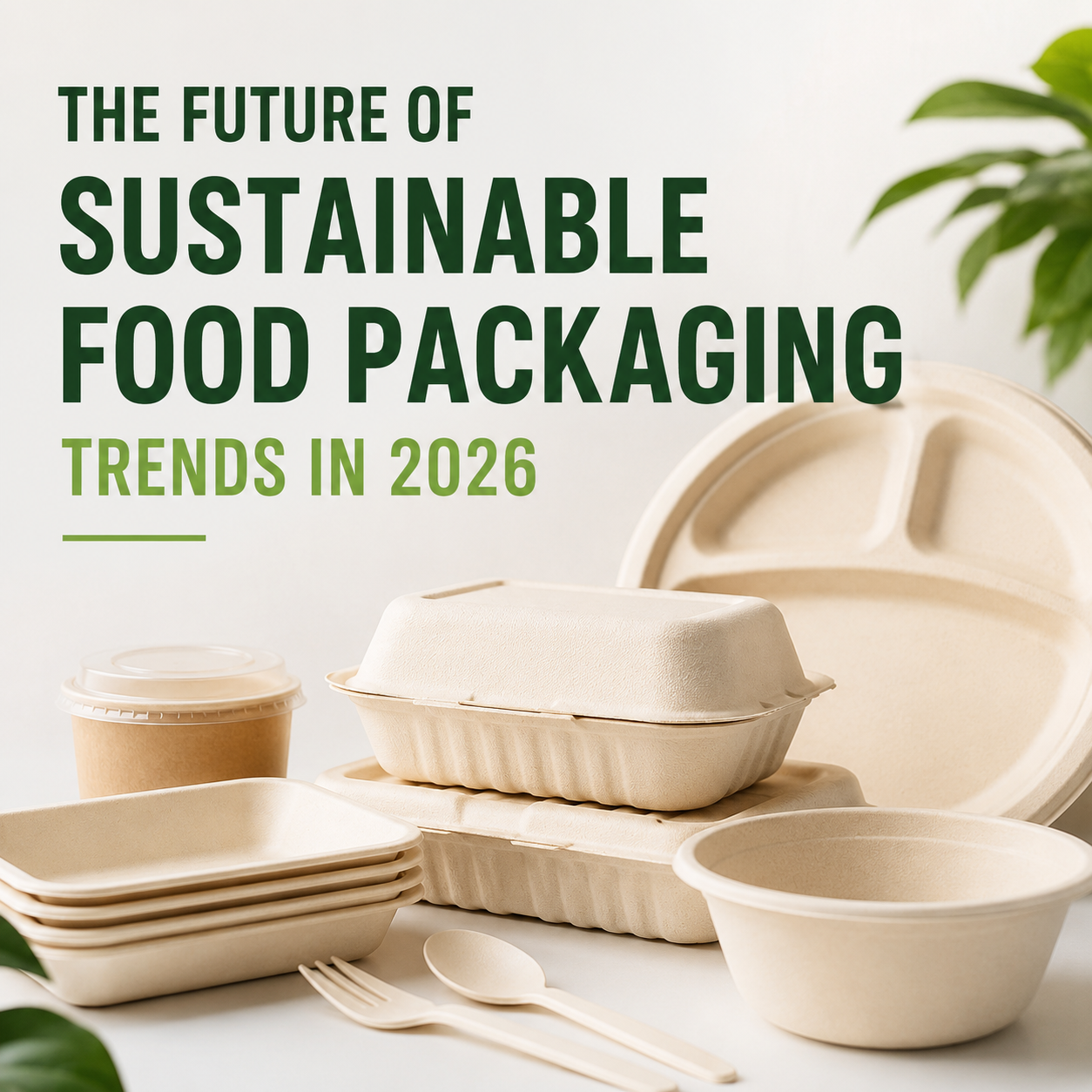
Providers of meals away from home want effective methods to handle throwaway utensils and containers that avoid adding to landfill burdens over time. Hydebiopack.com steps in with useful, nature-sourced single-use goods crafted to keep kitchens running efficiently and meet modern expectations.
Understanding the Bigger Picture in 2026
Global authorities continue updating policies to limit reliance on conventional plastics. Efforts across Europe highlight the need to minimize virgin plastic use and back materials capable of safe natural breakdown. Important reference points feature EN 13432 for high-level decomposition requirements in managed composting operations, plus ASTM D6400 offering comparable validation elsewhere. Protecting food quality stays essential, backed by FDA standards that confirm no unwanted transfers from packaging. Recent analyses show consistent sector progress, as foodservice-friendly biodegradable choices gain traction. The move delivers advantages such as easier transport, enhanced reputation among guests, and better support for ambitious waste reduction programs at various locations.
Sugarcane Bagasse and Cornstarch: Two Strong Contenders
Sugarcane bagasse stands as a favorite for demanding environments. Created from the fibrous remains of sugar production, it brings natural toughness.
Cornstarch-based alternatives offer a different set of strengths. Derived from starch-rich crops, these items tend to be lighter with attractive, smooth finishes.
A quick comparison for buyers:
| Feature | Sugarcane Bagasse | Cornstarch-Based | When to Choose |
| Heat Tolerance | High, handles hot foods well | Moderate, suitable for warm | Heavy hot service vs daily use |
| Oil Resistance | Excellent built-in protection | Solid performance | Saucy or fried items |
| Weight and Structure | Rigid and sturdy | Lightweight and easy to handle | Durability vs portability |
| Typical Applications | Trays and servingware | Plates and food boxes | Busy catering vs quick meals |
Both types support industrial composting when properly certified, helping businesses close the loop on waste.
Insights from Operators Using These Materials
Teams that have adopted sugarcane options often praise their ability to maintain shape during transport and heating. Cornstarch products receive positive feedback for their clean look and user-friendly feel in less intensive settings. Together, they enable customized approaches—mixing strengths across different menu categories while tracking measurable improvements in waste diversion.
Practical Advice for Sourcing Decisions
Smart buyers look beyond basic specs. Request detailed certification documents and performance test results upfront. Trial runs with actual menu items reveal the best matches for your kitchen flow and customer volume. Consider factors like stackability for storage and overall supply chain reliability. Suppliers offering customization, from printing to size adjustments, allow stronger brand alignment without high barriers to entry. Low minimum orders further ease the transition for growing businesses.
Common Buyer Questions Answered
How do I know these will hold up in my operation?
Start with targeted samples. Sugarcane generally manages hotter and oilier foods better, while cornstarch shines in lighter, presentation-focused uses.
What role do certifications play?
They verify composting potential and food safety, reducing risks when meeting local or international requirements.
Is customization available for smaller orders?
Yes. Flexible programs support branding and specific designs even at modest volumes.
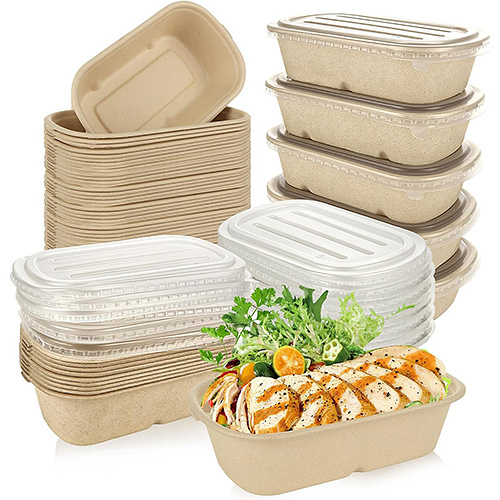
Capabilities at Hydebiopack.com
Our manufacturing approach emphasizes adaptability. We support custom sizes, printed designs, low MOQ flexibility, full OEM and ODM services, and efficient bulk supply. This helps clients build programs around Sugarcane Tableware and Cornstarch Tableware solutions that fit unique needs while prioritizing quality and sustainability. Reach out to discuss how these can support your specific goals.