
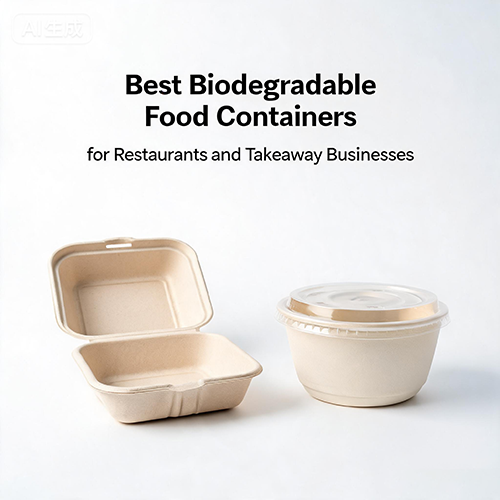
If you’ve ever stood in your back kitchen at 7 p.m. on a Friday, staring at a stack of leaky takeout boxes that just ruined three pasta orders, you already know this isn’t just about “going green.” It’s about not losing regulars over soggy fries, not getting hit with a random EU SUPD fine last quarter, and not wasting 20 minutes a day patching together packaging that was never built for real service.
I’ve talked to 40+ coffee shops and takeaway owners over the past year, and almost all of them say the same thing: they tested three or four “compostable” lines before landing on one that didn’t crack when stacked, didn’t warp under hot soup, and didn’t get rejected by their local compost pickup. The cheap stuff you grab off a random wholesale listing? It looks fine on a shelf, but it falls apart the second a delivery driver slams the bag in their car.
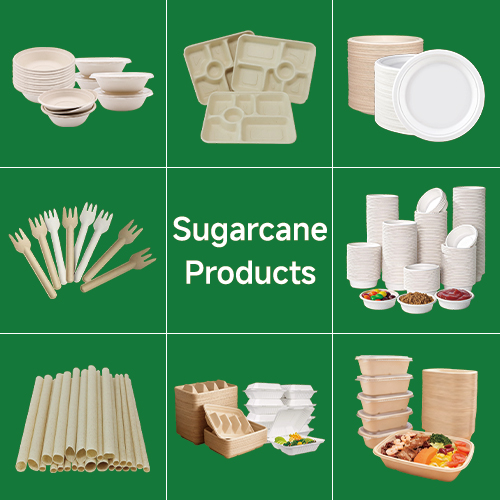
The real difference between usable and useless biodegradable food containers lives in the material details no one posts in their product bullet points. Sugarcane bagasse, the pressed fiber leftover from sugar mills, has a natural rigidity that’s 12% higher than uncoated paper, which means it won’t buckle even when you load it with a dripping burger and extra garlic sauce. Pure cornstarch blends, on the other hand, handle grease way better for cold salads and cheesecakes, but you can’t leave a 100°C curry in them for 25 minutes during a delivery run — they’ll start to soften at the edges.
Here’s a no-fluff comparison I put together after running side-by-side tests with a local takeaway shop last summer:
| Product Name | Core Material | Real-World Heat Limit | Certified Standard | Best For Your Menu |
| 9×6 inch bagasse clamshell | Pure sugarcane fiber | 125°C | EN 13432, BPI | Fried chicken, loaded pasta, rice bowls |
| 32 oz cornstarch salad bowl | Food-grade cornstarch + kraft | 80°C | TÜV AUSTRIA | Cold grain bowls, fruit salads, smoothies |
| 3-compartment bagasse tray | Food-grade bagasse | 130°C | AS 4736 | Canteen meals, school catering, pop-ups |
| 16 oz cornstarch soup cup | Cornstarch | 98°C | ASTM D6868 | Hot miso, tomato soup, noodle takeaway |
Regulations aren’t something you can ignore anymore, either. The EU Single-Use Plastics Directive has already banned single-use plastic food containers in 27 member states, and cities like Vancouver and Seoul are rolling out fines for any food business that uses non-compostable packaging in 2026. If you’re sourcing from a compostable food containers manufacturer that doesn’t hold overlapping certifications for your operating regions, you’re one random inspection away from a €300 fine that no one saw coming.
When you’re making wholesale food packaging buying calls, skip the “cheapest per unit” trap — I’ve seen too many owners burn money that way. First, grab 50 sample units of any line you’re eyeing, run them through your busiest Saturday shift, and stuff them full of your messiest menu item. No lab spec sheet will tell you if your signature spicy butter chicken will eat through the container bottom mid-delivery. Second, call your local waste management company and ask exactly which certifications they accept for curbside compost — I know a taco shop that wasted two months on “home compostable” containers their city wouldn’t pick up. Third, calculate the hidden costs: a 10% more expensive bagasse box that doesn’t leak will cut your order remake rate by 30%, which saves you way more money than you ever saved on cheap plastic.
A small burger chain we worked with in Manchester did exactly this last year. They switched to custom disposable food packaging printed with their logo on bagasse clamshells, and within three months their delivery app reviews mentioning “leaky boxes” dropped from 17 a month to 2. They also stopped paying the £120 a month surcharge their council added for non-recyclable packaging waste.
Frequently Asked Questions
Q1: Can I put these biodegradable containers straight in the microwave for customer reheats?
A1: Pure bagasse clamshells and trays are totally safe for 2–3 minutes of microwave reheating, no warping or weird aftertaste. Cornstarch-lined bowls and cups? Stick to 60 seconds max, because extended high heat will soften the edges fast.
Q2: Will switching to biodegradable packaging make my costs jump too much?
A2: Right now, bulk bagasse and pure cornstarch lines run 11–17% more than old plastic containers. But almost every café owner I’ve talked to says they make that difference back in 5–7 months from fewer remade orders, zero waste fines, and customers who specifically choose their shop because the packaging is compostable.
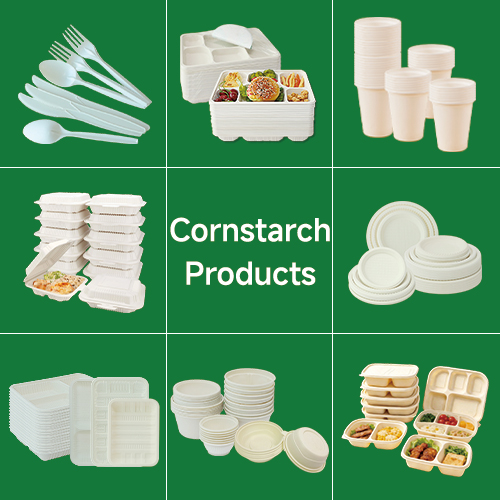
At Hydebiopack, we don’t sell you generic “eco packaging” that looks good on Instagram but falls apart during dinner rush. We build every line — from our leak-proof bagasse clamshell takeout boxes to our grease-resistant pure cornstarch dessert containers — around the exact problems restaurant owners deal with every single day.
Our custom manufacturing support covers custom sizing to fit your unique menu items, custom branding printing that won’t smudge off during delivery, low minimum order quantities for small new coffee shops, full OEM and ODM flexibility for large chain rollouts, and full bulk wholesale supply for global catering operations. Whatever you’re serving this weekend, we’ve got a sturdy, no-leak, fully certified compostable container that won’t add more stress to your already busy shift.