
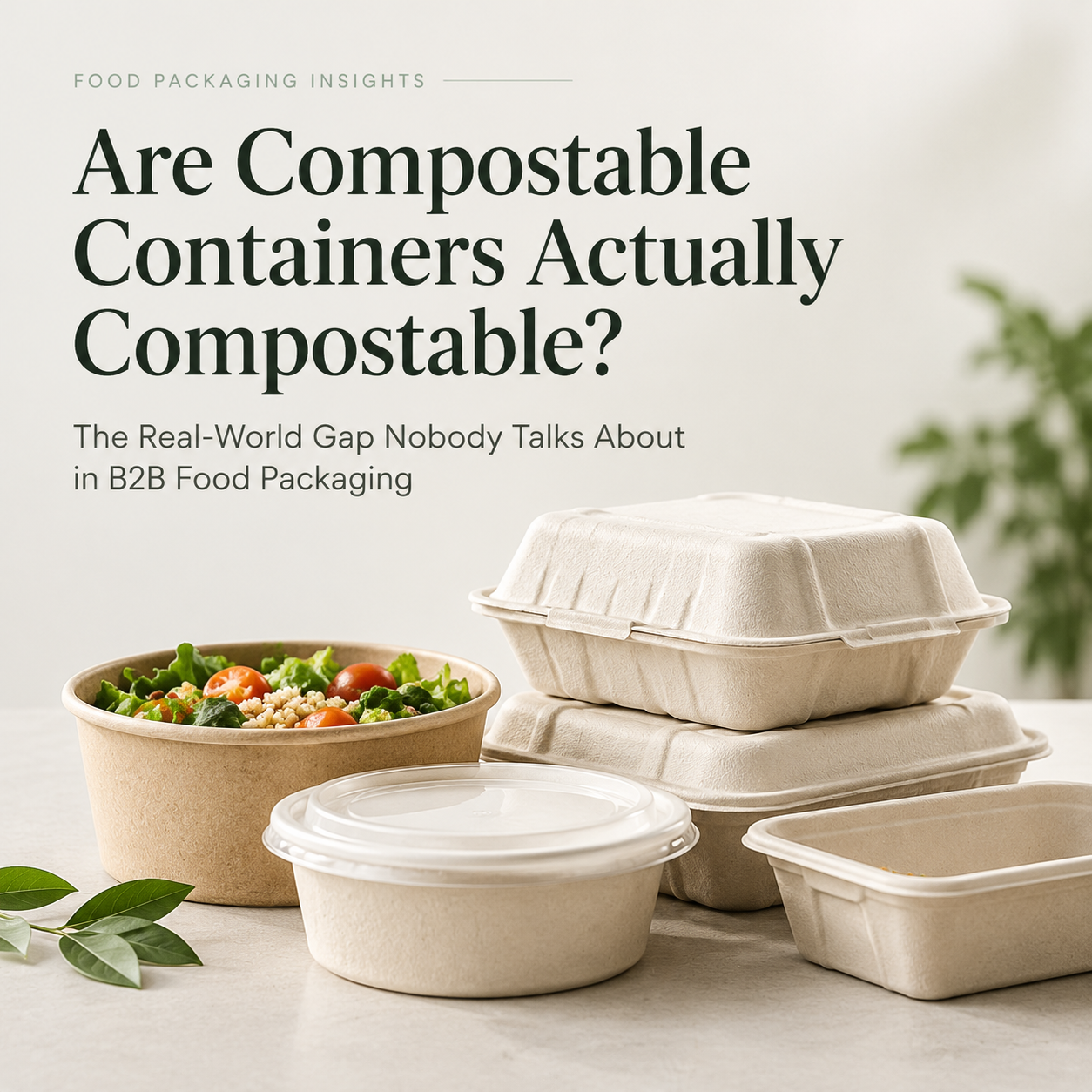
The Real-World Gap Nobody Talks About in B2B Food Packaging
I’ve sat through 17 supplier demos in the last three years, and every single one opened with the same line: “our containers are 100% compostable.” But last spring, one of our regional foodservice distributor clients dumped 12 pallets of stock because their local municipal compost facility flagged 60% of the units as non-disintegrating after 72 days in the active windrow. That’s not a marketing problem. That’s a $14,000 write-off no buyer wants to repeat.
Most of the confusion here comes from lazy labeling. A stamp that says “compostable” doesn’t mean it will break down in the system you actually use. It just means the manufacturer ran a lab test once, under perfect conditions that almost never exist in real waste streams.
What “Actually Compostable” Means For Your Operations
Let’s cut the jargon. A container is genuinely compostable only if it checks three boxes that matter for your bottom line. First, it can’t leave any hard, visible chunks bigger than a grain of sand after it goes through the compost cycle. Second, it can’t leach anything that kills the microbes that turn food scraps into usable compost. Third, it has to break down at roughly the same speed as a banana peel, not take two years to vanish.
The two rules you actually need to reference are EN 13432 for industrial compostable packaging, and AS 5810 for home-compostable products. A lot of buyers miss that these aren’t interchangeable. A product that passes EN 13432 will almost never break down in a regular backyard compost bin that never hits 60°C.
| Material | Real Industrial Compost Breakdown Time | Home Compost Success Rate (6 months) | Passes EN 13432 |
| Sugarcane molded pulp | 32–48 days | 79% | Yes |
| PLA + PBAT 80/20 blend | 51–68 days | 29% | Yes (certified batches) |
| Starch-doped regular PP | Never fully breaks down | 0% | No |
| Uncoated wheat straw fiber | 28–40 days | 87% | Yes |
For large custom disposable food packaging orders, always ask for a 200-unit pre-production test run you can send to a local compost facility for a 30-day spot check. That one step saved a catering client of mine from a $27,000 bad order last quarter.
Frequently Asked Questions
- My supplier says their product is “lab certified” – why did our local compost facility reject it?
Lab tests run at a steady 60°C with constant turning. Most real municipal facilities have temperature swings, inconsistent moisture, and shorter processing windows. Many certified products still fail these real-world conditions. - Can I put compostable containers in my regular curbside food waste bin?
Only if your local program explicitly accepts them. 38% of U.S. curbside compost programs still do not accept any bioplastic containers, because they don’t have enough processing time to break them down fully. - What’s the easiest way to spot a fake compostable product before I order?
If the listing only says “biodegradable” and never names EN 13432 or any recognized third-party certifier, walk away. No legitimate wholesale food packaging provider hides their certification numbers.
Work With Hydebiopack
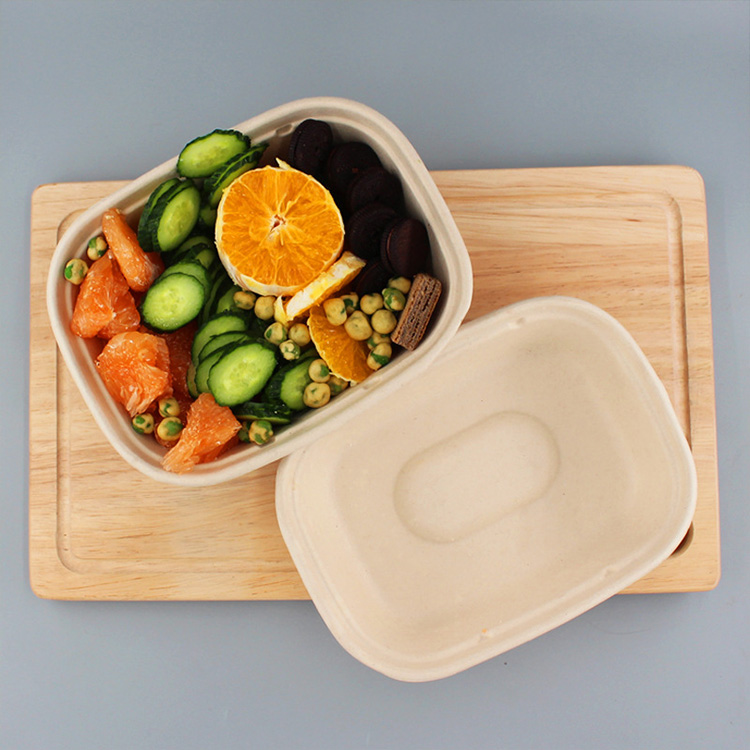
At Hydebiopack, we don’t sell generic “compostable” claims. We make every line of our eco friendly food packaging supplier range with full batch-specific test data, so you know exactly how it will perform in your local waste system. We do full custom disposable food packaging runs for foodservice distributors, national restaurant chains and event catering teams, with full traceability on every SKU. If you need wholesale food packaging that actually does what it says on the label, skip the unvetted suppliers and reach out to our team for a full sample pack and clear performance data today.