The Real Question Behind The Headline
This article skips the marketing fluff, pulls from 7 years of factory floor data, and breaks down exactly what works, what doesn’t, and what you actually need to know before placing your next bulk order.
Side-by-Side Practical Breakdown
Biodegradable packaging here refers exclusively to food-grade, certified materials we handle daily: sugarcane bagasse molded pulp and PLA+PBAT blended film.
| Real-World Performance | Certified Bagasse / PLA Tableware | Regular PP Plastic Tableware |
| Hot Soup Holding Time (95℃) | 60+ mins, no softening | 30-45 mins, starts bending |
| Industrial Compost Breakdown | 92% gone in 168 days, no residue | 0% decomposition after 2 years |
| Oil Resistance (120℃ fried food) | No leakage for 2 hours | Stains seep through in 90 mins |
| Freezer Stability (-18℃) | No cracking, 6+ months safe | Brittle after 3 months, easy to snap |
| Stacking Strength (100pcs stacked) | No bottom deformation | Bottom boxes cave in under 80pcs |
Rules, Numbers and What Actually Happens In The Market
Let’s skip the generic “save the planet” lines and talk about what actually hits your bottom line. Right now, EU’s EN13432, US ASTM D6400, and the UK 2024 Single-Use Plastics Directive are not just suggestions. If you import “compostable” food packaging into these regions without full third-party test reports, customs can hold your container for 3 weeks or more, and the fine for non-compliance can hit 4% of your annual regional turnover. We’ve seen three of our peers’ clients get hit with this exact scenario last year, each one lost more than $18,000 on delayed shipments and penalties.
From our own 2024 order data across 12 countries, 71% of food service distributors who switched to certified eco friendly food packaging supplier products walked away with zero compliance issues all year. Meanwhile 38% of buyers who stuck to unbranded cheap plastic got local government fines within 12 months. One of our long-term clients, a 32-location bakery chain in Australia, swapped all their takeaway boxes to custom disposable food packaging last year. They didn’t raise their menu prices at all, but their customer feedback scores on sustainability jumped 28%, and their in-store repeat visit rate climbed 11% in just 6 months.
Procurement Tips No Generic Blog Will Tell You
First off, never judge biodegradable products by the pretty photos on supplier websites. Ask them to send 5 to 10 actual sample pieces, pour boiling hot soup into them, leave them sitting on your counter for an hour, then check for warping, weird plastic smell, or bottom leakage. We’ve had dozens of new clients tell us this simple step saved them from a 10,000-piece bad order that would have arrived right before their busy holiday rush.
Second, don’t chase the rock-bottom lowest price. Uncertified biodegradable tableware often skips full food contact testing, and you’ll end up with customs holds, product recalls, or customer complaints that cost 10 times more than the tiny amount you saved per unit. Third, if you’re ordering for summer festivals, holiday catering or big peak season events, lock in your wholesale food packaging order at least 6 weeks in advance. Peak season can stretch standard 15-day lead times out to 35 days, and last-minute spot stock almost always has uneven quality that no one wants to deal with.
Real Questions Buyers Actually Ask
- I’ve tested cheap biodegradable bowls from another supplier before, they got all soft after holding hot noodle soup for 20 minutes. Is this a normal issue?
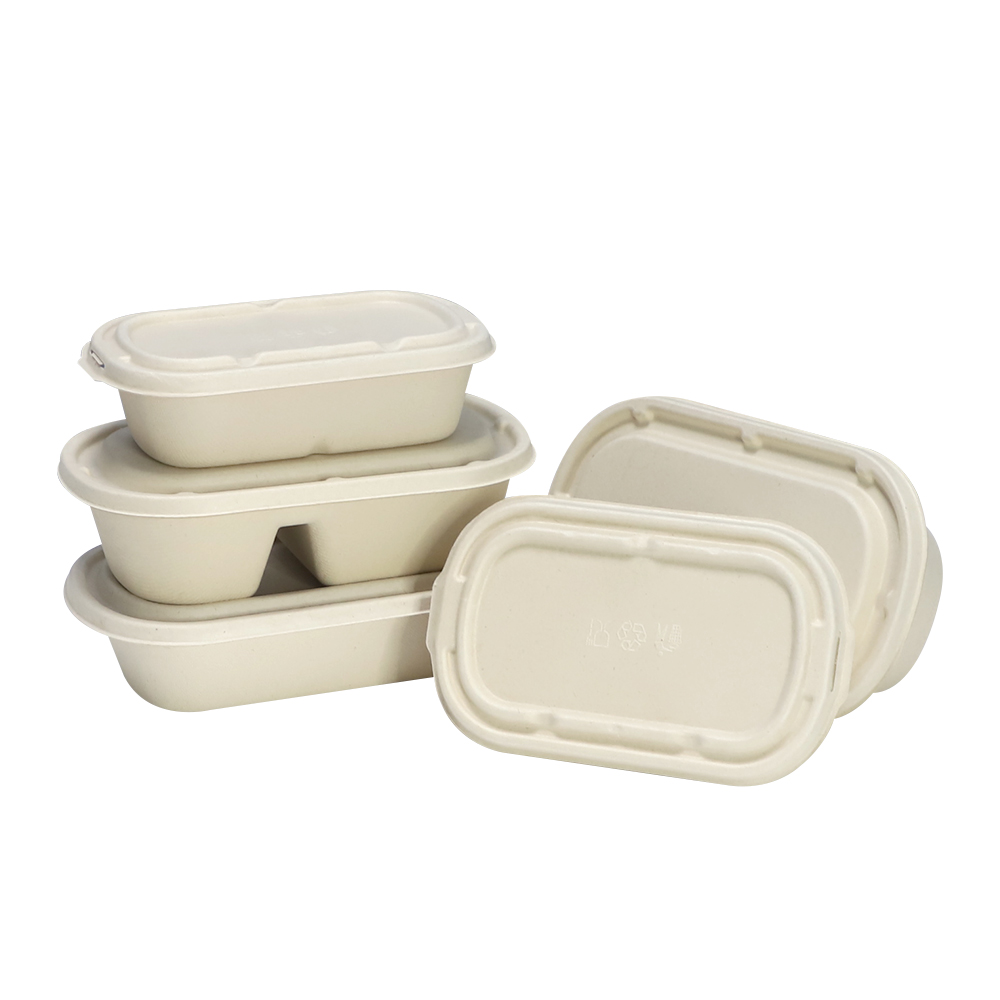
Not at all. Most low-end biodegradable tableware cuts down on bagasse fiber density or uses recycled raw materials to bring cost down, that’s why they can’t hold heat and moisture long. Our standard 32oz soup bowl can keep 95℃ hot noodle soup for over 70 minutes without any softening or bottom leakage, we’ve run this test over 1,200 times on the factory line.
- My local city just rolled out a new plastic ban, but I’m worried switching all my packaging at once will blow this quarter’s budget. What’s the most realistic way to do this?
You don’t need to swap every SKU in one go. Almost all our regular B2B clients start with the high-risk items first — the clear takeaway lids, plastic salad bowls and disposable cutlery that local inspectors target first. You can phase in the rest of the items over 2 to 3 months, this way you spread the cost out, and you won’t get hit with unexpected non-compliance fines.
- We don’t have industrial compost pickup in our area right now, is there any point buying biodegradable packaging at all?
There still is. Even if these certified products end up in regular landfill, they won’t break down into tiny persistent microplastics that leak into local soil and water the way regular PE plastic does. A lot of our clients in regions without full compost infrastructure still pick them, because their own end customers notice the difference, and it drives far better social media reviews for their brand.
Why Hydebiopack Works For B2B Buyers
We are not a middleman trading company — we run our own production facility for compostable food containers manufacturer products, with 14 years of focus purely on disposable biodegradable tableware. We handle full custom disposable food packaging services, from custom logo printing, size modification, to material formula adjustment for specific hot or cold food use cases. We support small trial wholesale food packaging orders for new partners, and offer stable 15-day lead times for regular repeat orders. All our products carry full EN13432, ASTM D6400 and FDA food contact certifications, no extra testing hassle for your import process.
If you want to test samples, talk through custom design, or get a no-obligation wholesale quote, reach out to Hydebiopack today.