
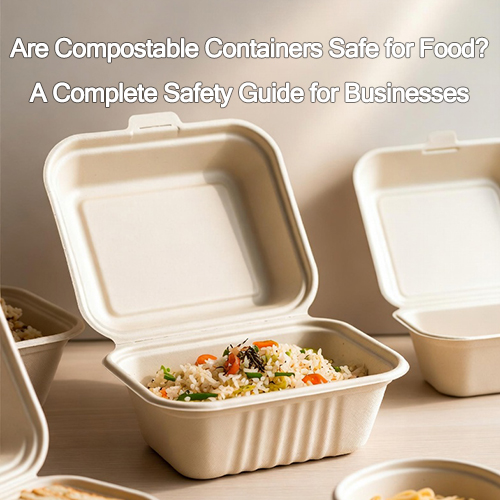
This hands-on review simplifies the important safety details, giving practical insights that help food service teams balance legal standards with the realities of fast-paced shifts and customer satisfaction.
Staying Compliant with American Food Safety Requirements
Under FDA oversight, every material meant for direct food touch must restrict unwanted substance movement and maintain high cleanliness standards during typical exposure scenarios involving heat, fats, or acids. Compostable containers pass these checks via specialized lab simulations and by following established guidelines such as ASTM D6400, which covers effective breakdown in composting environments. Forward-thinking manufacturers share clear test reports confirming both food-contact suitability and compostability traits.
Handling Frequent Concerns Over Potential Chemicals and Reliability
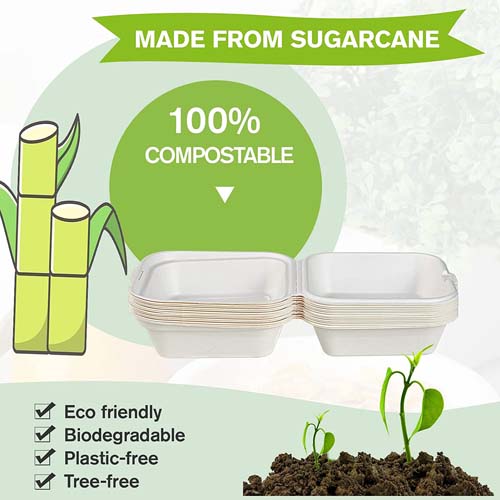
Team leaders frequently inquire about hidden ingredients, especially following coverage of coatings used in some packaging lines. Forward-focused creators emphasize PFAS-free compostable containers, drawing on the natural strength of plant fibers or simple water-resistant layers rather than synthetic additives. Sugarcane bagasse styles particularly shine through with excellent barriers against oils and the ability to tolerate microwave warming, backed by controlled leach evaluations. Clear third-party lab confirmations from established facilities build trust, helping operators dodge questionable bargain options that might behave unpredictably when food travels or gets reheated later.
Practical Gains Observed in Lively Food Environments
Moving to reliable compostable containers offers value well beyond basic green marketing. In crowded neighborhoods where patrons notice and appreciate mindful choices, these items help strengthen loyalty and set a business apart. Tough constructions manage genuine challenges, such as stopping spills inside crowded delivery orders or enduring short heating cycles, which cuts down on waste and eases daily routines.
Tips for Choosing Containers That Match Your Menu
Review specifications for temperature ratings, certification marks, and portion compatibility. Adding custom elements such as branded imprints or adjusted dimensions integrates packaging into your overall identity without extra hassle.
If you need to customize compostable food containers to better serve your customers while maintaining top safety levels, contact our team directly. We help food businesses build practical, sustainable packaging that fits seamlessly into operations. Explore more at hydebiopack.com and start shaping the right solution for your goals.