
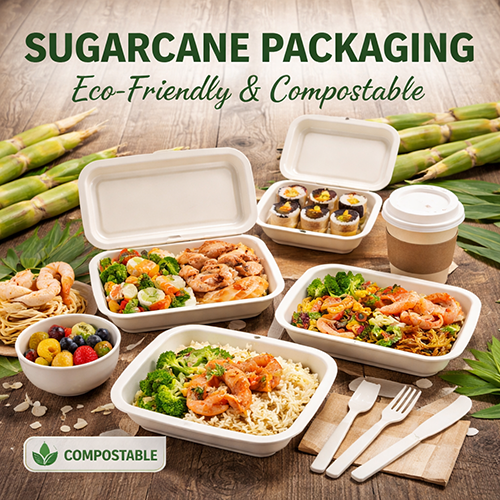
As consumer demand for sustainable dining grows, restaurants and food suppliers face pressure to minimize environmental harm without sacrificing functionality or food quality. Many conventional options contribute to persistent pollution, pushing companies to explore smarter materials sourced from existing agricultural processes. Sugarcane packaging, produced from bagasse—the dry pulp remaining after sugarcane processing—turns a common byproduct into durable, versatile containers ideal for delivery services, event catering, and everyday food retail.
Key Performance Benefits in Daily Use
Sugarcane packaging demonstrates exceptional reliability across varied conditions. It handles steaming takeout entrees as effectively as chilled salads, maintaining structural stability even when reheated in microwaves or briefly placed in ovens. The inherent fiber density creates a natural barrier against oils and moisture, ensuring contents stay secure during transit. This translates to smoother operations for cafes and delivery platforms, with reduced risks of spills and improved customer satisfaction.
Environmental Impact: Sugarcane vs. Conventional Plastic
A direct comparison reveals significant differences between sugarcane packaging and standard plastic. Petroleum-based plastics draw from non-renewable resources and break down into harmful fragments that linger indefinitely in oceans and soil. Sugarcane alternatives, however, repurpose existing farm waste without demanding extra cultivation or deforestation. Under commercial composting conditions, they degrade completely in about three months, enriching soil naturally while leaving no toxic traces. Adopting this material helps businesses meet stricter plastic bans and reduce overall greenhouse gas emissions.
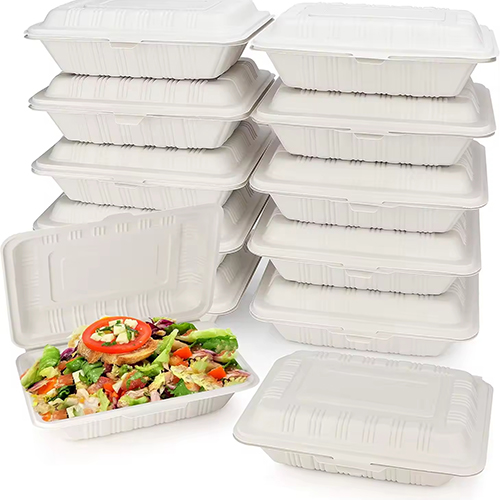
How to Transition to Sugarcane Packaging Effectively
Switching involves simple steps for smooth integration:
- Evaluate current needs—identify high-volume items like clamshells or trays.
- Test samples for fit with your menu, checking heat and moisture tolerance.
- Train staff on proper disposal to maximize composting benefits.
- Communicate the change to customers, highlighting sustainability to build loyalty.
- Monitor feedback and adjust orders for optimal inventory.
This guided approach minimizes disruption while enhancing your brand’s eco-profile.
Tailored Solutions for Wholesale and B2B Clients
Businesses seeking branded identity can elevate sugarcane packaging through customization. At Hydebiopack, we offer options for logos, colors, sizes, and shapes to match your specifications. Ideal for restaurants, exporters, or distributors needing large volumes, these personalized products combine functionality with professional appeal. Contact us today to explore custom sugarcane packaging designs and competitive bulk rates.