
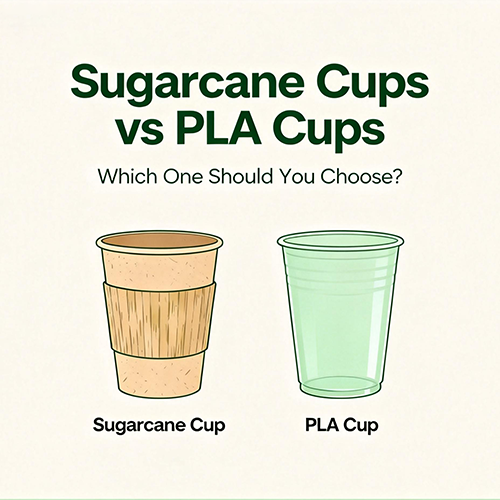
Deciding on disposable cups for cafes, events, or catering means finding the right mix of practicality, reliability, and eco-friendliness. Real-world tests and supplier feedback reveal that bagasse cups and PLA cups overlap in purpose but shine in different ways. One turns farm waste into tough, earthy-feeling tableware, while the other converts plant starches into clear, upscale-looking options. This breakdown will guide you toward the choice that best matches your operation.
Understanding Sugarcane Cups
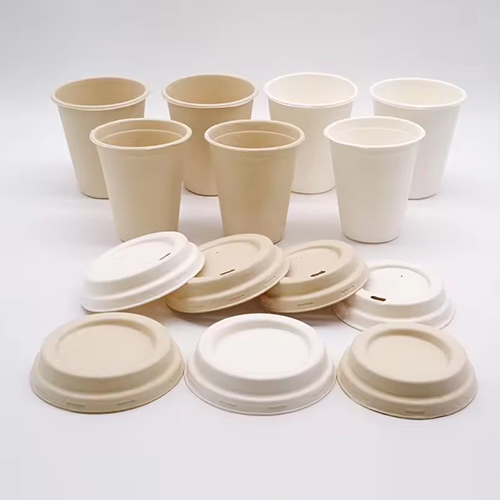
Bagasse cups are made from the dry, fibrous material left over after sugarcane is pressed for juice – material that would typically be discarded or burned. This method requires no new farmland or intensive watering. They hold up excellently to hot drinks, typically handling 100–120°C without issue, and most varieties are microwave-safe and resistant to grease. They decompose naturally and quickly: in an active home compost system, they usually return to soil in 90–180 days, with no need for industrial processing.
Exploring PLA Cups
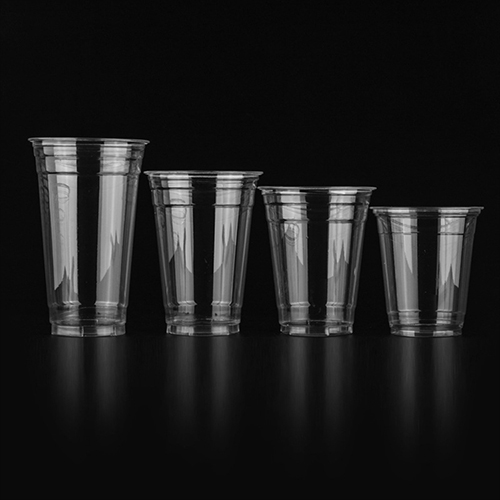
PLA (polylactic acid) cups come from fermented starches sourced mainly from corn or sugarcane, creating a glassy, crystal-clear plastic alternative. That transparency is perfect for showing off vibrant drinks or printed logos. They perform best with cold beverages, staying rigid in coolers or fridges, but begin to warp above 55–60°C, ruling them out for hot service. Proper biodegradation demands industrial composting facilities with consistent heat and moisture; in standard landfills or backyard soil, they can linger for many years.
Comparing Environmental Footprints
Bagasse cups hold a strong environmental advantage by upcycling existing agricultural leftovers instead of growing dedicated crops, resulting in lower land, water, and energy demands than PLA production. Both are renewable alternatives to oil-based plastics, yet bagasse tends to break down more easily in varied conditions and generally has a lighter overall ecological impact. Regional bagasse production can also reduce transport emissions compared to the often global supply chains for PLA raw materials.
Durability and Practical Use
Sugarcane cups bring solidity and resistance to moisture or heat, providing a reliable, textured feel that avoids sogginess. PLA cups emphasize elegance and visibility, suiting visually appealing cold beverages or layered desserts. Choose sugarcane for diverse menus involving heat; opt for PLA when presentation for chilled items is key.
Cost and Availability Factors
Pricing for sugarcane cups often stays attractive thanks to steady byproduct streams in growing regions. PLA can edge higher due to fermentation and refinement steps, but economies kick in at scale. Supply chains vary—harvest seasons influence bagasse flows, while PLA tends toward year-round consistency from processed crops.
Steps to Make Your Choice
- Review your beverage types: Prioritize sugarcane cups for hot applications due to better thermal tolerance.
- Assess waste management: Access to home or basic composting? Sugarcane often fits better.
- Weigh expenses: Request quotes for volume purchases of each.
- Conduct trials: Source samples to test in actual service conditions.
- Factor in visuals: PLA’s transparency could enhance branded cold drinks.
Ultimately, sugarcane cups tend to offer broader versatility for mixed uses, while PLA shines in targeted cold-service roles. At Hydebiopack, we focus on sustainable packaging and provide customizable sugarcane cups along with PLA options tailored to your requirements. From capacities and prints to bulk needs, contact us for personalized solutions— we’re ready to develop your custom order.