
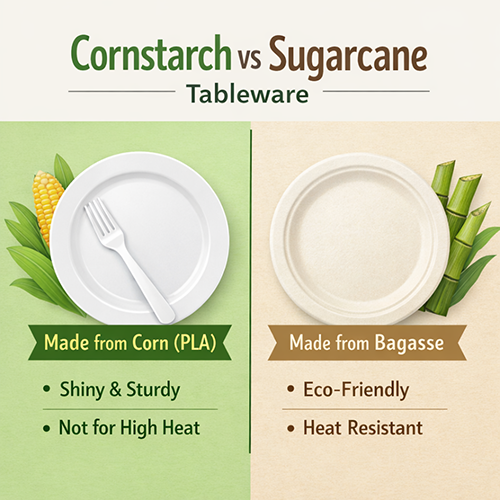
When picking out disposable plates or cups for events or daily use, many folks lean toward eco-friendly options to cut down on plastic waste. Two popular choices pop up often: items made from cornstarch and those from sugarcane. Each brings its own perks to the table, shaped by how they’re sourced and built. Let’s dive into what sets them apart without the hype, just straight facts to help you decide.
Understanding Cornstarch Tableware
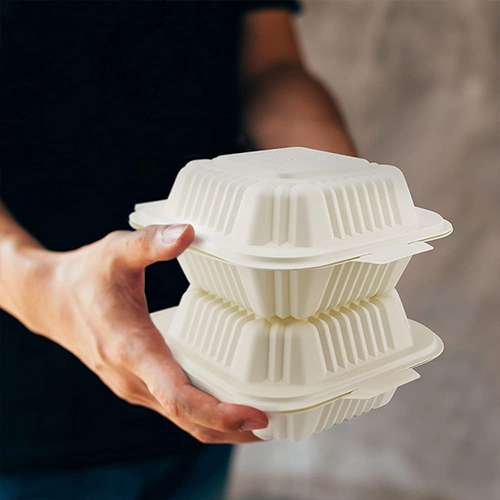
Cornstarch tableware starts with corn kernels turned into a starch that’s fermented into polylactic acid, or PLA. This material gets molded into forks, knives, or bowls. It’s smooth and sturdy for everyday meals, holding up well against pokes from utensils. One thing to note is it softens around hot foods above 100 degrees Fahrenheit, so it’s best for cooler dishes like salads or sandwiches.
Exploring Sugarcane Tableware
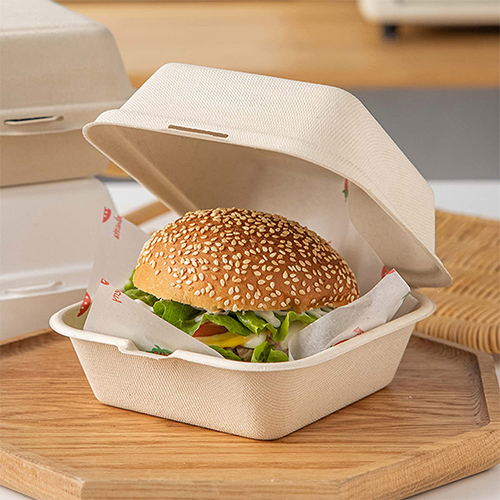
Sugarcane tableware comes from bagasse, the fibrous leftover after juicing sugarcane for sugar. This waste gets pulped and pressed into shapes like trays or lids. It’s naturally tough against grease and water, making it handy for oily takeout or soups. Plus, it handles heat better, staying firm up to about 200 degrees Fahrenheit without warping.
Breaking Down the Key Differences
One of the biggest gaps shows up right at the start—how the stuff is obtained. With cornstarch stuff, you’re basically harvesting corn grown on purpose for making PLA, so it pulls from big farmland setups that need lots of water, pesticides, and space that could go to growing edible crops. Sugarcane stuff skips all that new growing; it grabs the leftover fibrous mash from sugar factories, material that used to get tossed or burned anyway.
When you actually use them, the feel and behavior aren’t the same. The cornstarch line tends to look shiny and almost like clear plastic, holds shape nicely for room-temp or cold stuff, but once you pile on anything steaming hot (say over 130°F), it starts sagging or melting a bit, and oily sauces can bleed through pretty quick. The bagasse side has this off-white, papery vibe, repels water and fat like it’s nothing, and doesn’t flinch at real heat—perfect for curry takeout or even a short microwave run.
Bulk buyers usually find bagasse cheaper and more reliable year-round, tied to steady sugar harvests worldwide.
How to Pick the Right One for Your Needs
Step one: Think about your menu. If serving hot entrees, go sugarcane for its heat tolerance. For cold buffets, cornstarch works fine.
Step two: Check composting access. Got industrial facilities nearby? Either fits. Otherwise, sugarcane breaks down easier at home.
Step three: Factor in volume and budget. Businesses handling bulk might prefer sugarcane’s affordability and grease-proof nature.
Step four: Test samples. Order small batches to see how they perform in real scenarios, like stacking or microwaving briefly.
By weighing these, you’ll land on what suits your setup best.
At Hydebiopack, we offer customizable options in both cornstarch and sugarcane tableware to fit your business specs. Need bulk orders tailored to size, shape, or branding? Reach out—we’re here to help with eco-solutions that match your wholesale needs.