
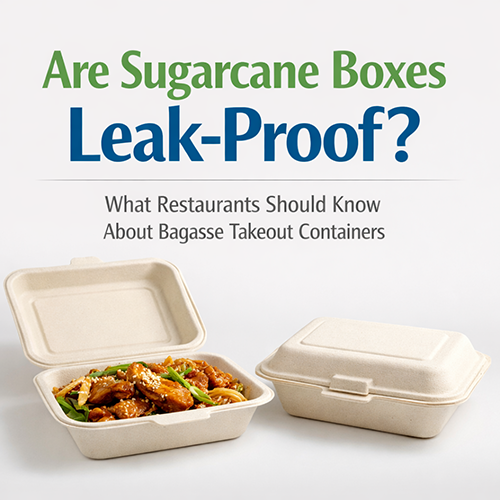
Delivery drivers hate soggy bags, and customers hate finding their curry swimming in the bottom of the carrier. For restaurant teams juggling high-volume orders, the packaging has to survive real chaos—hot liquids sloshing, boxes stacked high, rides over bumpy roads. Many hesitate to ditch plastic because they fear greener choices will let them down. Sugarcane boxes, built from bagasse (the tough fiber leftover after sugarcane gets juiced), aim to change that. They look promising on paper, but how do they hold up when the order includes ramen broth or fried chicken with extra sauce?
Why Takeout Demands Serious Leak Protection
Rush periods mean containers get thrown around, tilted, and pressed together. A tiny weakness turns a perfect meal into a complaint magnet. Plastic and foam have long ruled because they block everything for hours, but bans and customer pressure push owners toward better options. Sugarcane bagasse boxes use the plant’s natural density plus modern shaping to fight moisture and grease. The fibers pack tightly during molding, creating walls that don’t absorb liquids quickly, and many include gentle, safe barriers for added defense against soaking through.
Core Elements Behind Their Leak Resistance
Good performance isn’t luck—it’s built in:
- High-Density Pressing — Heat and pressure squeeze the bagasse into a firm, compact form that naturally hinders water and oil from seeping deep.
- Natural + Optional Barriers — The material itself pushes back against grease; premium ones add a light, plant-friendly layer that keeps soups and dressings contained during average delivery windows (often 20-50 minutes).
- Closure That Actually Works — Hinges that don’t pop open, tabs that lock securely, and sometimes extra edge lips to catch drips before they escape.
Practical shake tests and delivery mock-ups with near-boiling contents usually show these sugarcane bagasse containers staying dry on the outside, with only trace absorption if any.
Quick Comparison of Takeout Packaging Types
Seeing the differences side by side clarifies the choice:
- Classic Plastic — Seals like a dream for extended time but draws environmental criticism and possible restrictions.
- Foam Clamshells — Inexpensive and great at insulation, though they split under pressure and let grease through cracks.
- Plain or Lightly Coated Paper — Budget-friendly for dry foods, but turns mushy fast with anything wet or oily.
- Sugarcane Bagasse Boxes — Manage hot, saucy, greasy items reliably in most cases, hold shape when stacked, handle reheating, and decompose naturally afterward—striking a strong balance for busy kitchens wanting to go responsible.
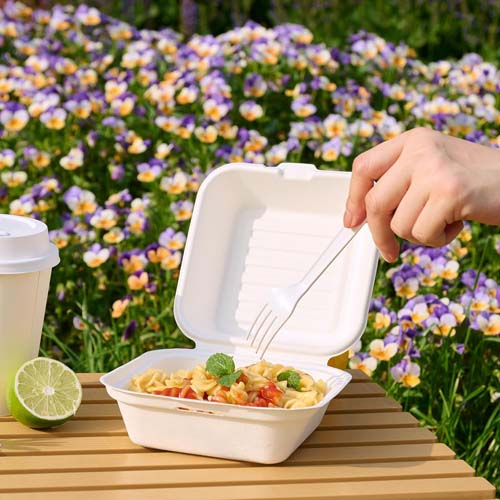
Places like fast-casual chains, food trucks, and delivery specialists often discover sugarcane bagasse boxes meet or beat daily needs without the downside of plastic waste.
Easy Steps to Make Them Work for Your Menu
Get reliable results by approaching it practically:
- Grab samples and load them with your trickiest items—test soups, oily stir-fries, dressed salads—then mimic a real drop-off.
- Choose styles boasting solid lid mechanisms and proven resistance to liquids/grease.
- Drill the team: full closure every single time prevents most failures.
- Keep inventory in a dry spot so the boxes don’t soften before they’re even filled.
These straightforward practices cut down on mess and build trust in the material.
Ready to try packaging that supports the planet and still delivers perfect orders? Hydebiopack designs custom sugarcane bagasse boxes exactly for restaurants like yours—pick compartments, add your logo, adjust sizes, boost sealing for extra-challenging foods. Samples ship quickly, and we adapt to whatever volume you run. Contact the team now to chat about what fits your operation best. Better takeout packaging is closer than you think—let’s set it up right.