
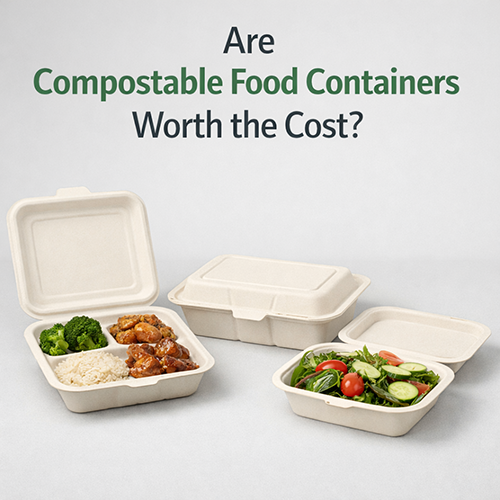
Owners of quick-service restaurants, independent coffee houses, and modest-sized food businesses encounter this decision almost every reorder cycle. Plastic takeaway packaging has long held the edge thanks to its rock-bottom pricing and dependable toughness, yet fresh environmental policies keep rolling out, shoppers increasingly voice eco-concerns, and many operators now quietly ask themselves whether carrying on with the familiar choice still serves their best interests over the coming years.
The short answer? It depends on how you run things and where your priorities sit—but for growing numbers of places, the numbers tilt toward yes when you look past the sticker price.
Where the Switch Starts Paying Back
A few practical upsides show up pretty quickly for many operations:
- Customer pull: Diners notice—and remember. Places that move to clearly greener packaging often see steadier repeat business from people who care about this stuff. Some spots quietly bump prices a tiny amount to cover the change; regulars rarely push back when they see the reasoning.
- Performance under load: Contemporary versions cope well with piping-hot soups, fatty takeout dishes, or heavily sauced meals—resisting collapse, seepage, or softening far longer than early attempts. Plenty of lines now carry microwave approval and solid grease barriers, delivering a user experience that closely mirrors traditional plastic in busy service.
- Waste stream relief: Where commercial composting pickup exists (more areas add routes every season), tossing these containers with food scraps cuts landfill volume. That can trim hauling fees or earn goodwill with local programs.
- Staying ahead of rules: Bans and restrictions keep spreading. Getting in front means no last-minute scramble or forced expensive pivot when a deadline hits.
Downsides are fair to mention too. If your area lacks solid composting access, the environmental edge dulls—items might still hit the trash. Some cheaper lines sag under very heavy or very wet loads, so matching the right spec to your menu matters.
Steps to Figure Out If It Fits Your Setup
Walk through this quick checklist before deciding:
- Pull last quarter’s packaging spend—include delivery, taxes, any surprise disposal line items.
- Get real quotes on compostable food containers that match your top-selling items (ask about bulk breaks or trial runs).
- Test small: Run a week or two with the new stuff on select orders. Watch feedback, complaints, and whether anyone mentions it positively.
- Research your area’s end-of-life options — visit city or county websites and contact waste haulers to learn exactly which compostable items they currently accept.
- Count the indirect advantages — content for online channels gets easier to create, customer feedback frequently highlights sustainability efforts, and routine inspections carry less stress.
For lots of mid-size spots, the loyalty bump and avoided future headaches cover the extra cost inside six to twelve months.
Wrapping It Up: Practical Choice or Passing Trend?
Compostable food containers won’t beat plastic on pure dollar-per-piece math today, but they stack up stronger when you fold in customer habits, regulation trends, and disposal economics. Many owners who made the jump say it feels less like an expense and more like insurance plus marketing rolled into one.
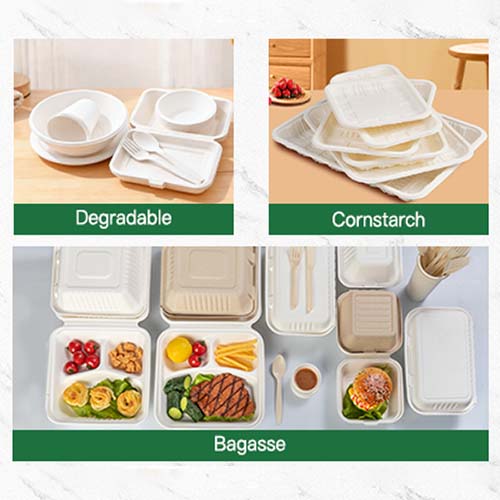
We focus on practical sugarcane bagasse food containers and plant-based food containers — sturdy enough for everyday takeout, designed to actually break down where facilities allow. Standard shapes or fully tailored sizes and prints are all on the table.
Need samples to test, volume pricing, or ideas for matching your menu? Drop us a line—we’re happy to walk through what could work for your operation.