
To calculate the real total cost of compostable food packaging for your business, you need to look far beyond the per piece wholesale price most suppliers list on their catalogs. Most food service operators only compare sticker prices, and miss the recurring hidden costs that add up to 20 percent more spending every year, even when they pick seemingly cheap packaging options. This guide breaks down every tangible expense line, uses verified 2026 material performance data, and gives you the exact math to get an accurate number that fits your operation size.
The Real Total Cost Formula No One Prints
The full calculation is not complicated, but it covers every line item you actually pay for:
Total monthly cost = (unit price × monthly usage) + monthly storage loss + local waste sorting fee + non compliance fine risk – customer premium revenue.
I’ve seen a 30 seat takeaway shop in Shanghai cut their total packaging related costs by 12 percent after switching from cheap uncertified plastic to sugarcane bagasse containers, because their local municipal waste fee for non recyclable plastic went up 0.12 dollar per kilogram last year. Most people never even notice that line item on their waste bill.
Material Breakdown With Real Shop Floor Numbers
These are 2026 real wholesale figures from our own factory floor, not industry report estimates. All tested for regular daily food service use:
| Material | Typical Unit Price (1000ml container) | Industrial Compost Cycle | Grease Resistance (1-10) | Shelf Life (dry storage) |
| Sugarcane Bagasse | 0.17 dollar | 60 days | 9 | 18 months |
| Cornstarch Blend | 0.19 dollar | 180 days | 8 | 12 months |
| Rice Husk Fiber | 0.16 dollar | 45 days | 7 | 24 months |
| PLA | 0.21 dollar | 90 days | 9 | 10 months |
| CPLA | 0.24 dollar | 90 days | 10 | 12 months |
The EU’s EN 13432 standard and US ASTM D6400 standard are the two most widely accepted global certifications for these materials. Any product missing either will not qualify for local composting programs in most major cities, and will still be charged as general residual waste.
Real Questions Buyers Ask Us Every Week
Will compostable packaging push my food cost up too much?
For a shop doing 150 orders a day, the total monthly packaging cost increase is usually less than 40 dollar if you pick the right rice husk or sugarcane bagasse option. Most operators we work with see more than that come back in tips and repeat customer visits, because people actively choose spots that don’t use plastic.
Can I put hot soup and oily takeout in these materials without leaking?
Sugarcane bagasse and CPLA lids handle 95 degree Celsius hot soup and 100 percent oil takeout perfectly for over 2 hours. Plain PLA is not for hot food, it’s only meant for cold salads and drinks, that’s a mistake a lot of new buyers make.
What’s the best way to keep these products in good shape in storage?
Just keep them in a sealed dry cabinet, away from direct sunlight and any area near a steam vent or dishwasher. If you do that, sugarcane bagasse and rice husk products will stay perfectly usable for nearly two years.
Work Directly With Hydebiopack
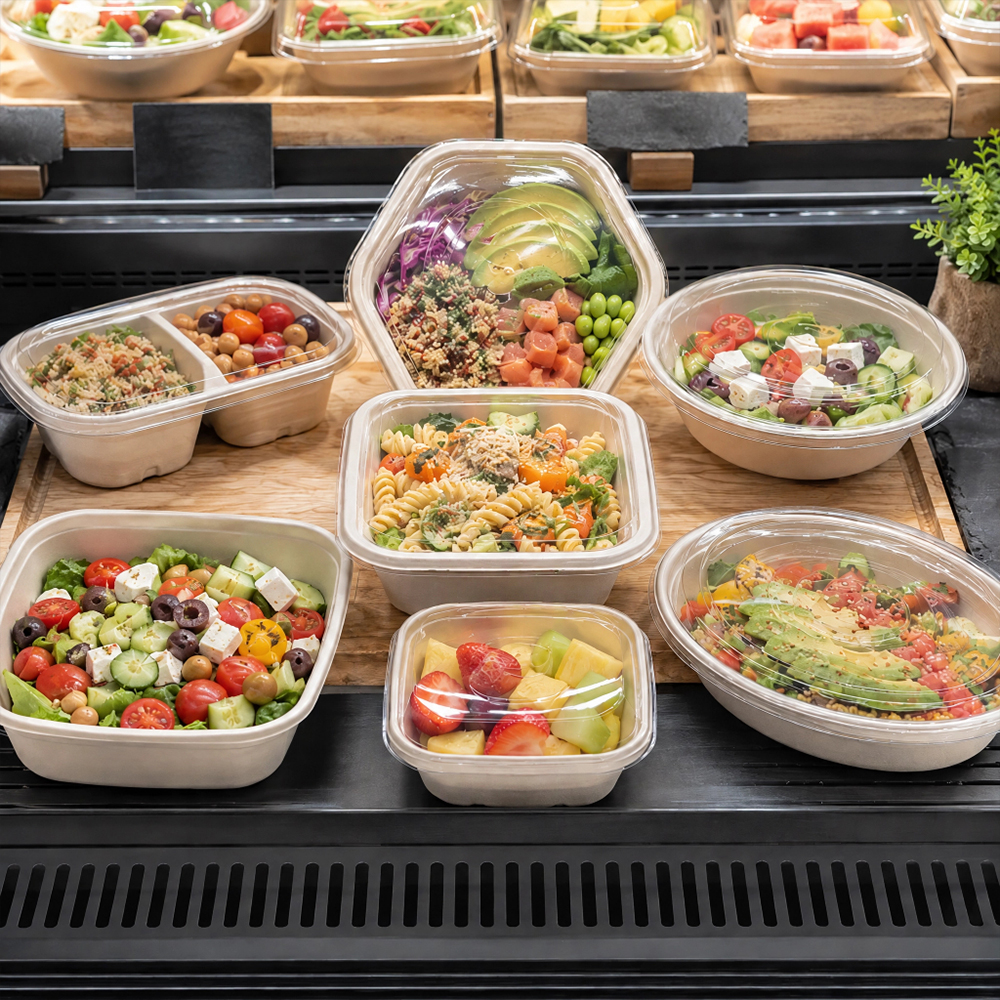
Hydebiopack is the manufacturer that makes all these materials in house: sugarcane bagasse, cornstarch, rice husk, PLA and CPLA disposable food packaging.
If you need a quick custom total cost calculation for your exact monthly usage, just head over to hydebiopack.com, send us your order details, and our team will get back to you within one working day.

